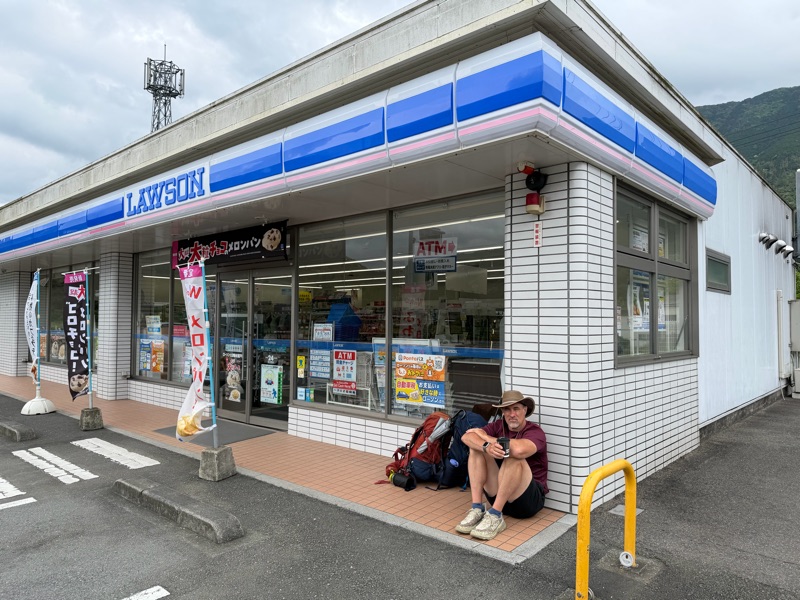
It may look like a simple photo of a guy at a convenience store, but after nearly 500 miles of walking through rural Japan, these are the moments I’ll remember. Many days pass without seeing many opportunities for food, coffee, or even other people. Over the last couple weeks, I’ve seen fewer than five westerners, and the only ones I do see are usually at the temples. I’ve realized most people travel these sections by bus or train instead of walking them. This also isn’t something mainstream or commercialized. In the last 100 miles especially, I rarely see anyone other than local farmers out working in the fields.
Not speaking Japanese has added a daily layer of challenge, but honestly, I’ve enjoyed the friction of having to figure things out. Most of the people I encounter are around retirement age or older. Much of the younger population has moved to the larger cities, leaving many homes empty and slowly fading away. Even the restaurants and small businesses often feel quiet and empty.
What stands out most is the kindness of the people here. Tipping is considered disrespectful in Japan, yet I’ve rarely experienced people who care more about doing their jobs well or seem more genuinely happy to have you there. I’ve had countless conversations through Google Translate, said “Kon’nichiwa,” and bowed at least a hundred times a day.
I’m a firm believer that the energy you put into the world is the energy you receive back. I’ve eaten strange foods, stayed in other people’s homes, and while none of these places would be considered luxurious by most standards, they’ve given me experiences that burn themselves into your heart and soul. I’m now down to just a few days left of walking before beginning the transition home. More than anything, I’m grateful to have had the opportunity to experience this adventure.
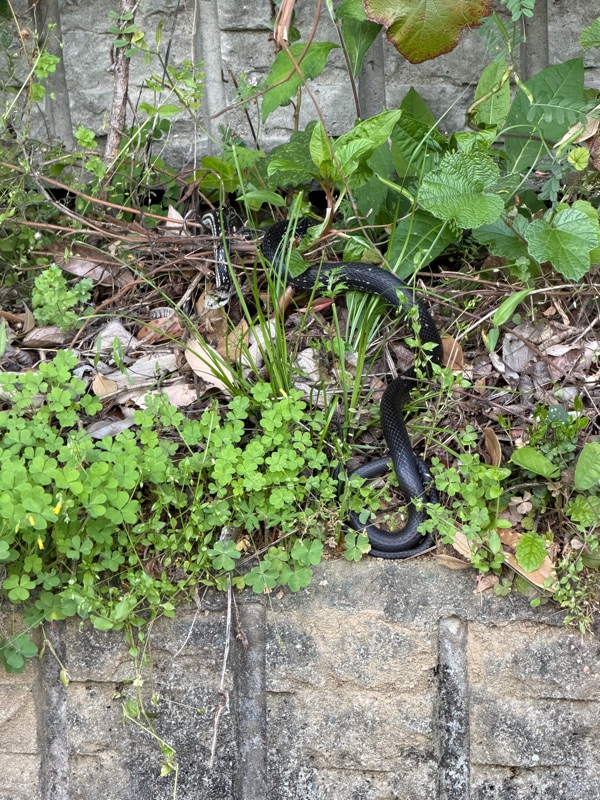
Lots of snakes in Japan. They have vipers here but I have yet to see one. All the snakes we have seen so far appear to be Japanese rat snakes, and they’re the good ones to have around.
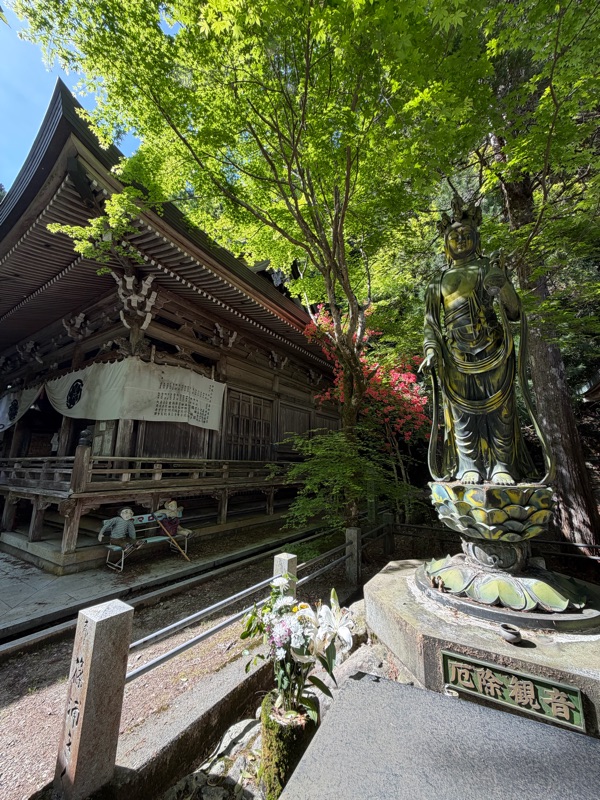
Made it to Temple 44 of 88. Although this is only half of the temples for this pilgrimage so far, it’s about 65% of the total distance from the start.
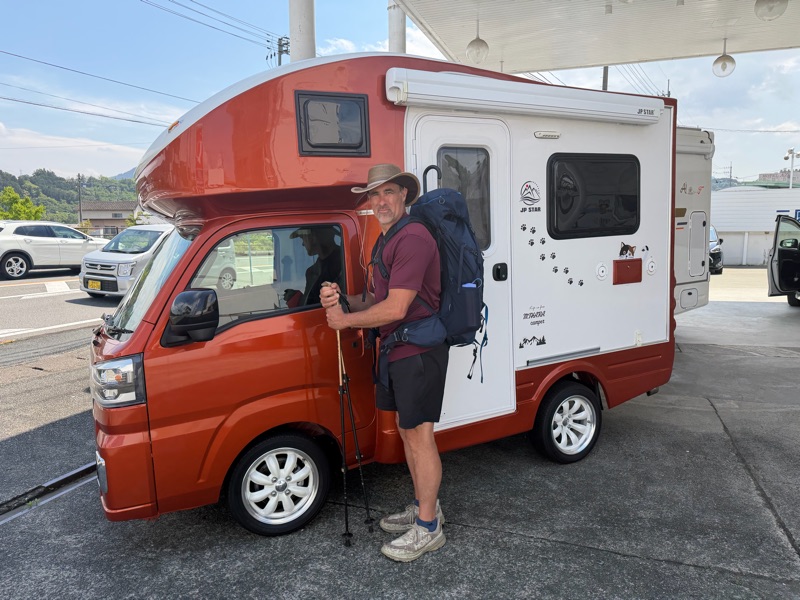
These mini-campers are pretty cool. They are set up to sleep 4 people. The guy at the dealership was nice enough to give us a tour. For 5.8 million yen, this could be yours 😊
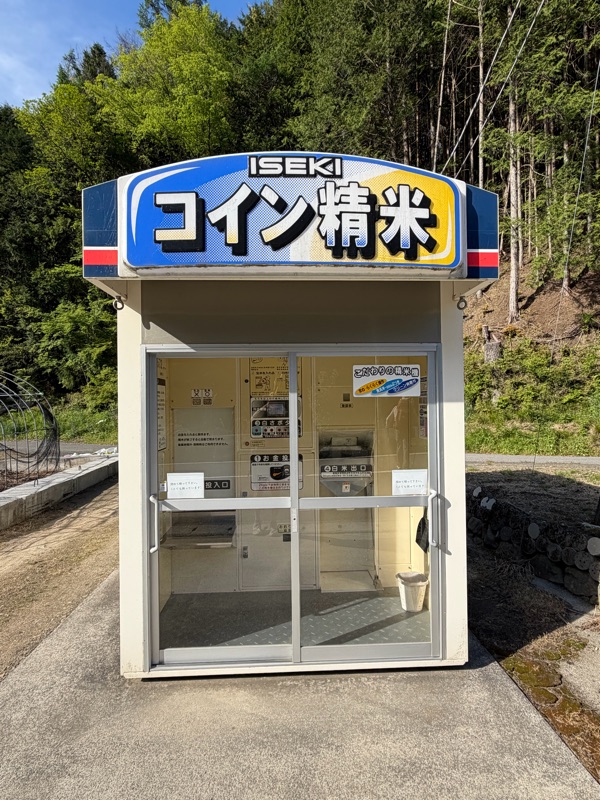
I kept seeing these little booths everywhere and was always curious what they were for. Here’s what it does:
- Farmers or locals bring in raw rice (brown rice with the bran layer still on it).
- They pour it into the machine.
- The machine removes some or all of the outer bran.
- Clean white rice comes out the other side.
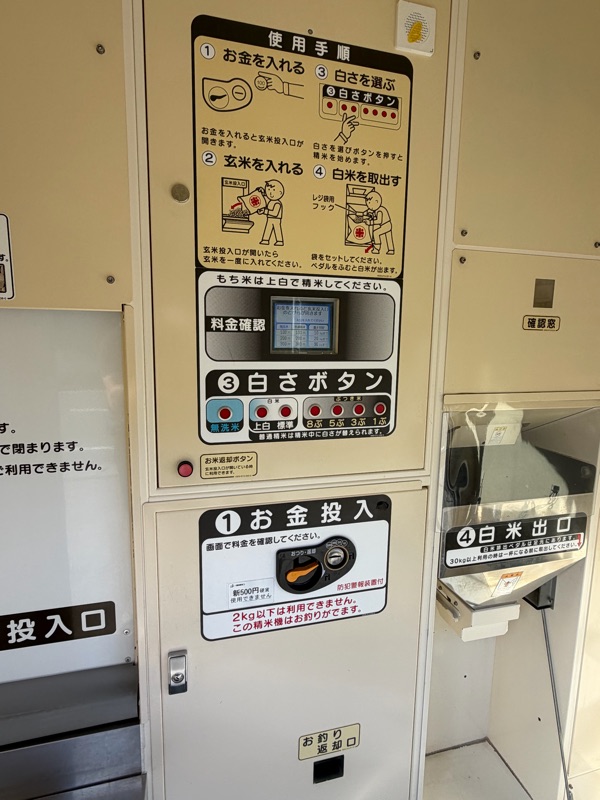
The buttons let you choose how polished you want the rice:
- Light polish (more nutritious, more brown)
- Standard white rice
- Very polished white rice
One of the labels even mentions (musenmai) “no-wash rice,” which is polished enough that you don’t need to rinse it before cooking.
The reason you see these in tiny countryside towns is because many families still:
- grow their own rice,
- store it as brown rice for freshness,
- then polish only what they need for the next few days.
Freshly polished rice tastes noticeably better. In Japan, rice quality is taken very seriously — almost like fresh coffee beans being ground right before brewing.

1 comment:
Really awesome post pal.
Post a Comment